%20(1)%20(1).svg)
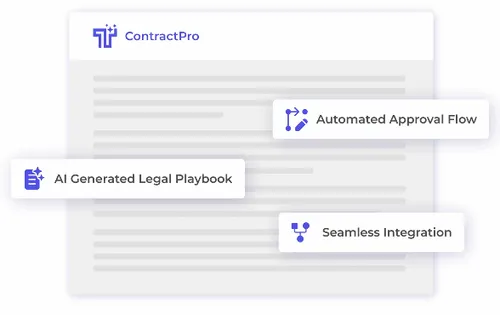
At its core, Trusli is a comprehensive platform designed to empower procurement professionals in efficiently managing tasks, purchase requests, and negotiation processes. The platform's reputation is bolstered by its remarkable capabilities, notably its innovative source and negotiation tool tailored to address the intricate landscape of contract markups and fallbacks.
0.1
Trusli ContractPro
image

0.1
Trusli's Features
FLOW


0.2
Trusli's Current Flow
FLOW

0.3
Project Objective
FLOW
1.1
Landscape Analysis
research

1.0
Document Side Panel
IDEATION
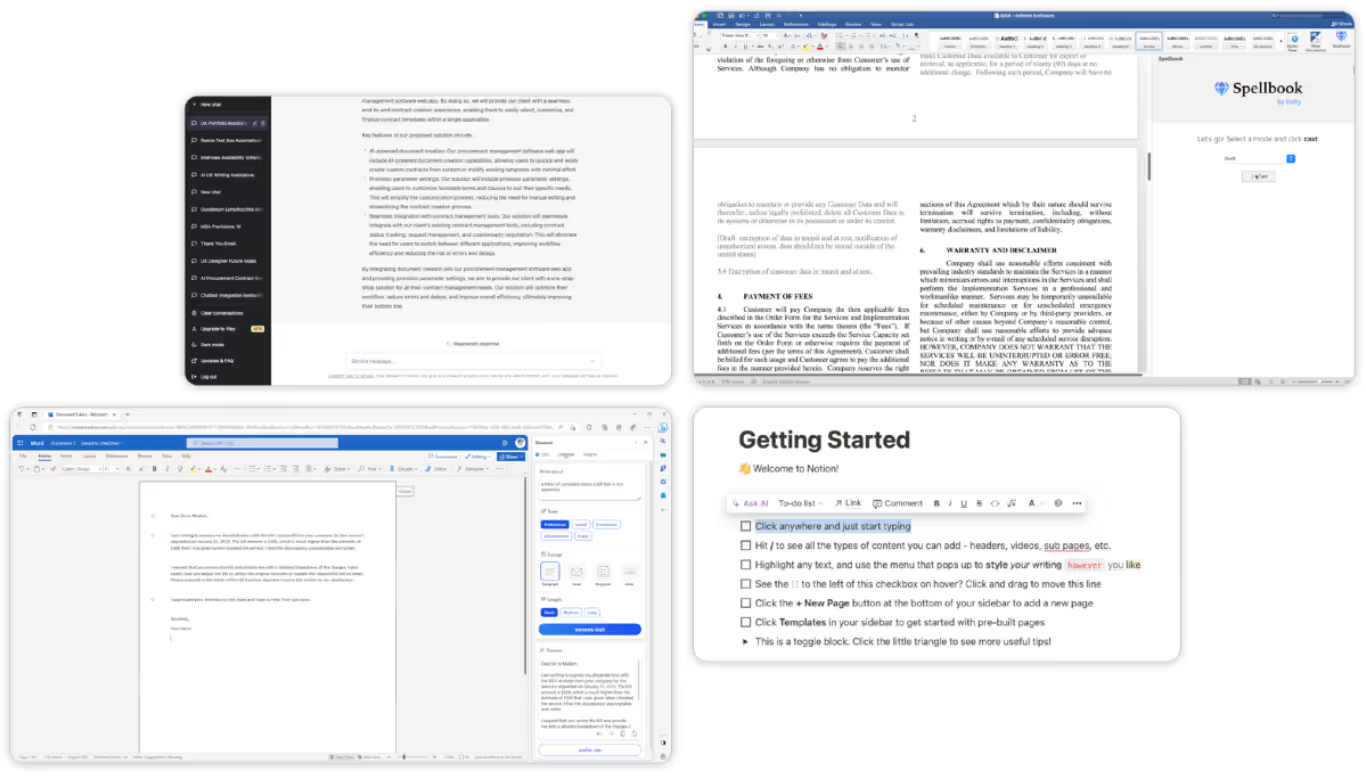
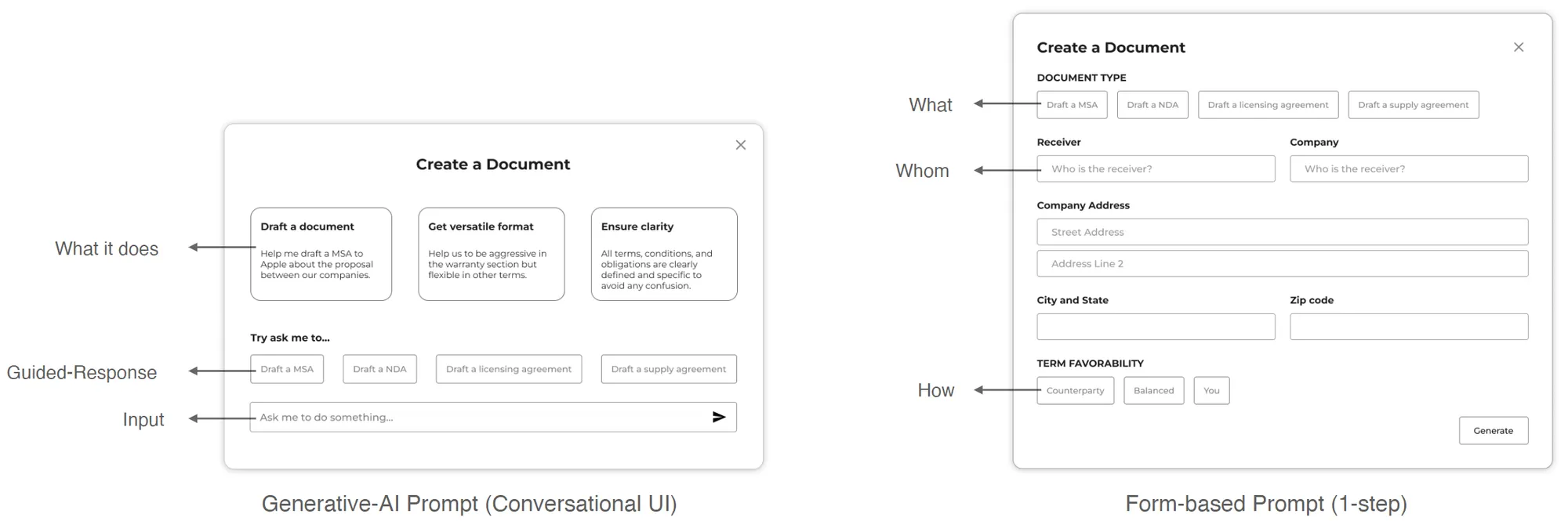
In this section, I explored two distinct design strategies for enhancing the contract creation experience. On the left, we have the Conversational UI, which engages users through interactive dialogue.
Conversely, the traditional form-based design presents a more conventional approach, offering structured fields for data entry.
Our team has decided to proceed with the Conversational User Interface (Image on the left) for our current project phase, recognizing its potential for creating a more engaging and intuitive user experience
2.0
Document Side Panel
Wireframe
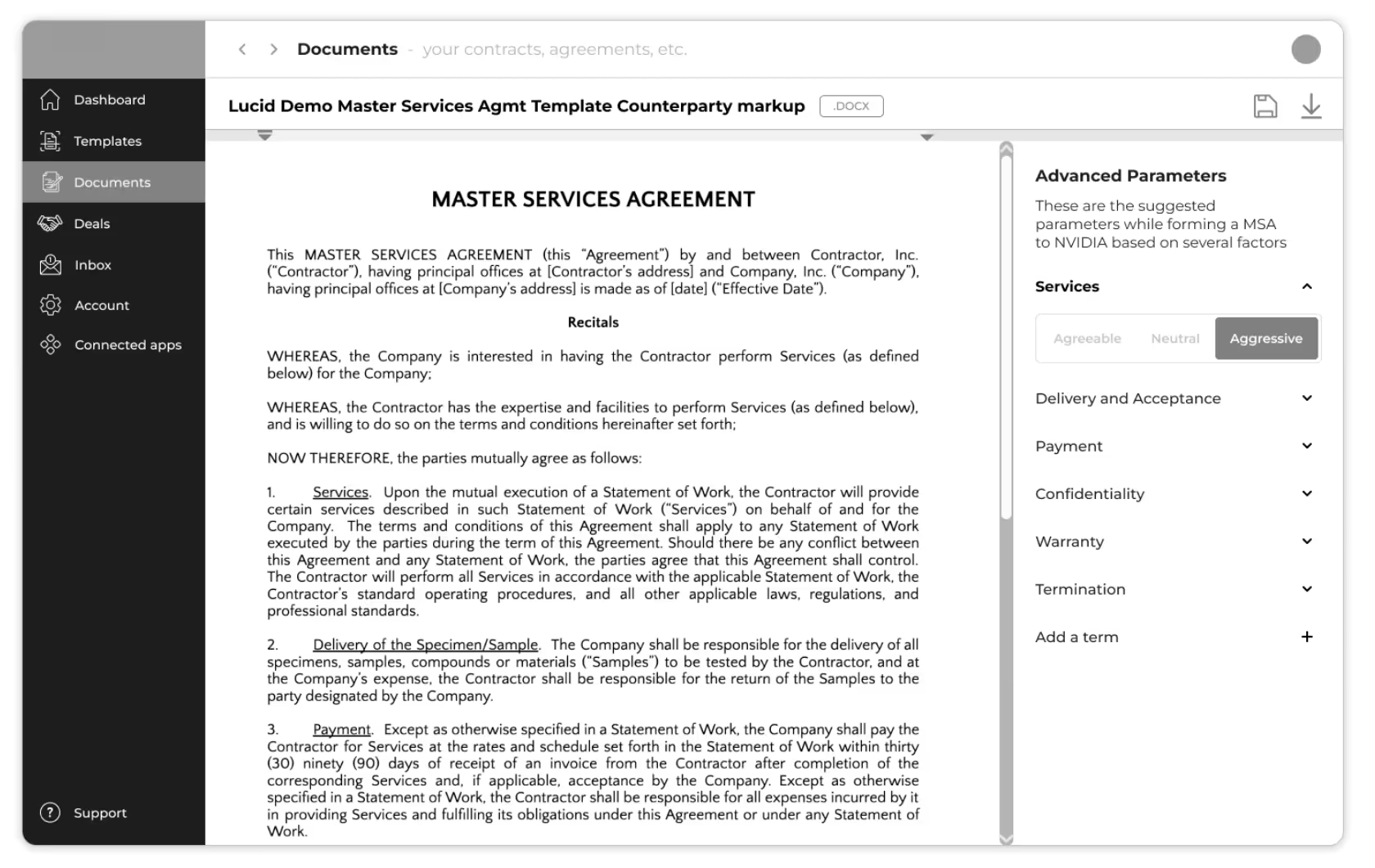
Our contract creation screen is designed to merge simplicity with advanced AI capabilities. At its heart lies the document view, providing a central stage for contract review and editing.
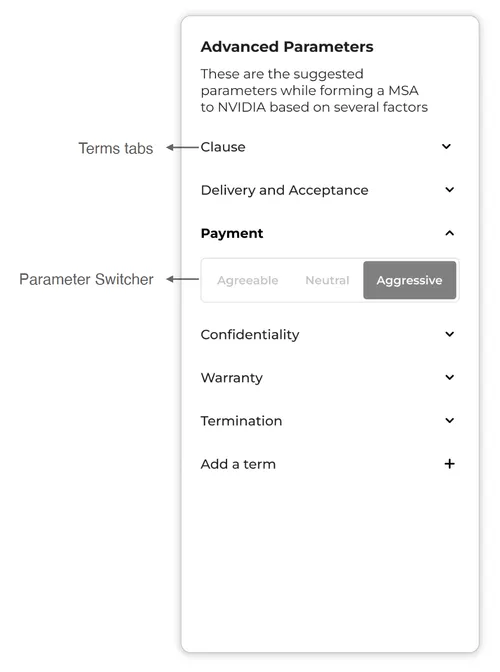
The right panel (Figure 2.2), a dynamic parameter sidebar enhances user interaction, featuring drop-down menus for selecting provision titles and a unique 'favorability switcher'. This innovative tool allows users to adjust the terms' favorability, prompting the AI to automatically rewrite the terms to match the specified parameters.
2.1
Contract Document Interface
Wireframe
2.2
Document Side Panel
Wireframe

2.3
Concept 1: AI via Tooltip
Wireframe
Pros: The design intuitively indicates the good relationship between the user's highlighted text and the AI's capabilities, with an effective dropdown prompt menu that facilitates easy selection of AI functions.
Cons: The current design tends to obscure too much of the contract document, potentially hindering the user's ability to review content comprehensively. The design lacks a universal access point for AI functionalities, limiting interaction opportunities when text selection is not needed or desired.
2.4
Accessing AI via Tooltip
Wireframe
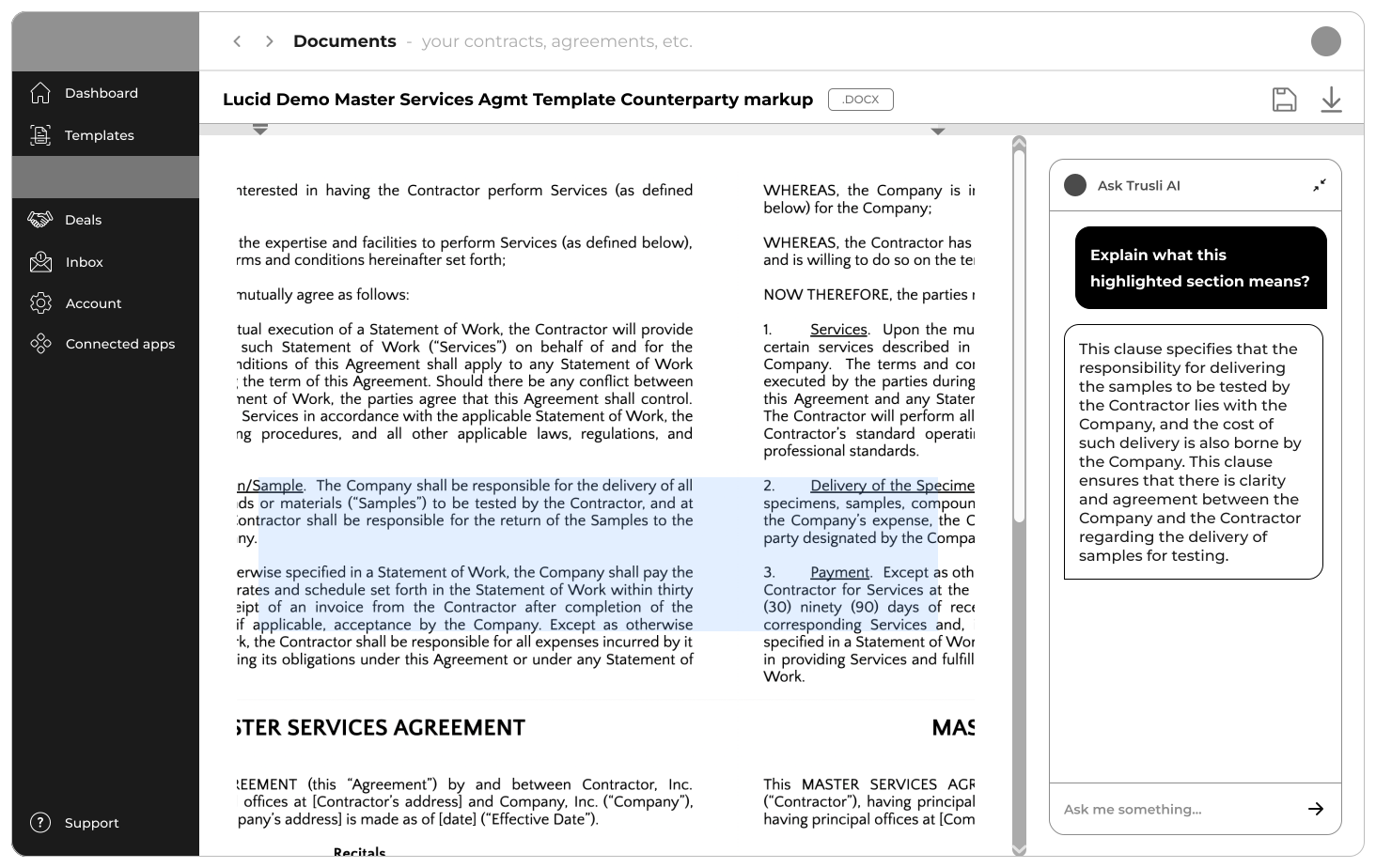
Pros: The chatbot design is familiar to most users, facilitating easy adoption and interaction. It provides straightforward access to interaction history, allowing users to revisit previous exchanges and actions. The format offers enhanced flexibility and fluidity in user interactions, supporting a wide range of queries and commands.
Cons: The design tends to takes too much screen real estate, and the chat bubble hampers the user's ability to effectively review lengthy content. Require more effort to communicate with the software.
2.5
Final Design: Taskbar AI Integration
Final direction
To improve interface efficiency, I streamlined the bulky dual-layer header into a single taskbar, making space for essential editing tools and enhancing the contract customization process.
I integrated an universal AI access point into this toolbar, making AI functionalities an integral, easily accessible part of the user experience. Clicking the AI button reveals an input bar with a Prompt menu dropdown, offering immediate access to relevant options and significantly simplifying AI interaction. This redesign optimizes productivity by minimizing steps to engage with AI.


